
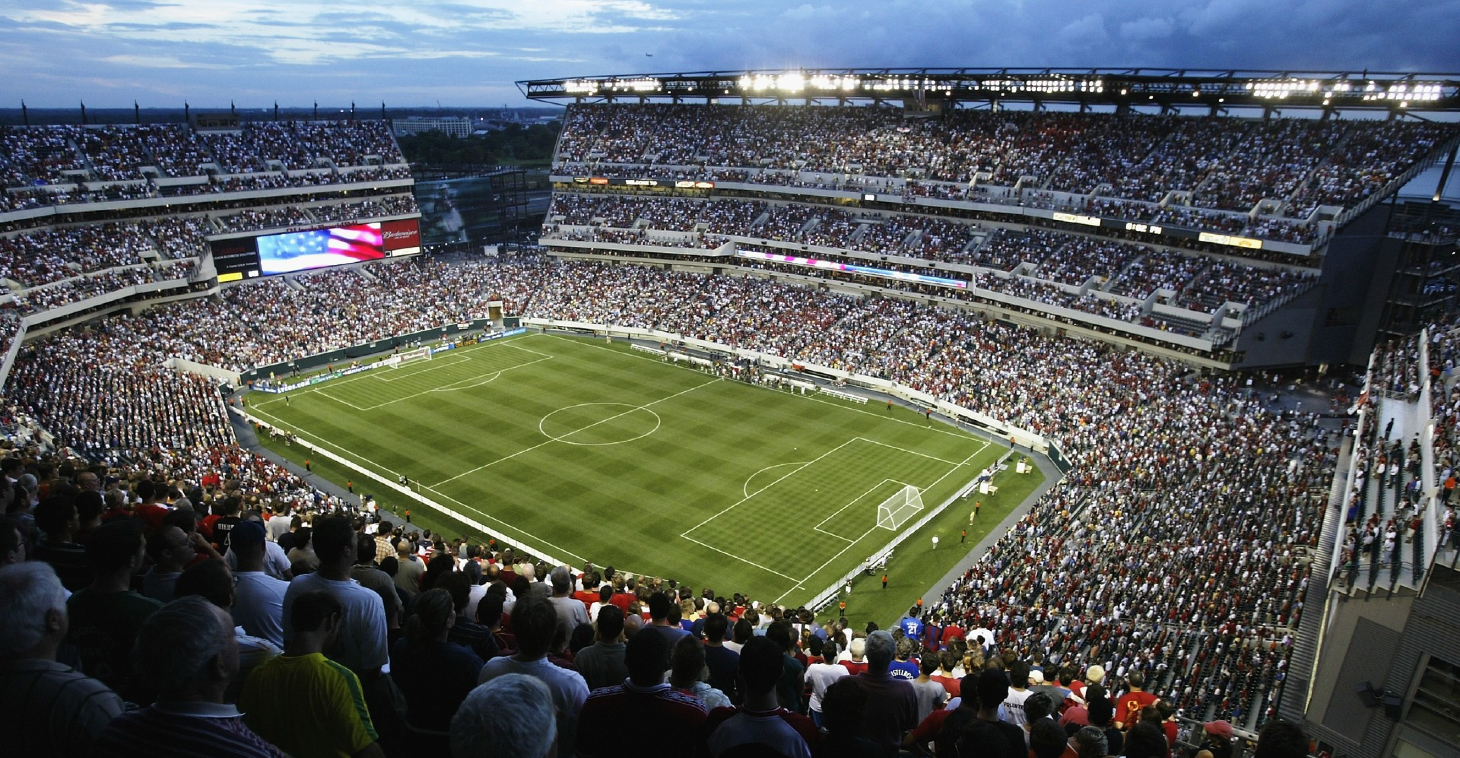
With the 2026 FIFA World Cup Draw now set and the group stage schedule released, brand marketers have a unique opportunity, as the tournament comes to North America—a region serving as home to diaspora communities from virtually every competing nation.
The United States alone is home to the world’s largest immigrant population at over 46 million people (Migration Policy Institute, 2024). According to World Population Review, the U.S. welcomes new arrivals from more than 200 countries and territories every year, making it the most diverse destination for immigrants globally. With 48 teams competing in 2026, the vast majority of participating nations have established diaspora communities across the United States, Canada, and Mexico.
This isn’t just about who’s playing. It’s about understanding where fans will travel, which communities will mobilize, and how brands can authentically engage with these passionate audiences. Unlike previous World Cups in Qatar, Russia, or Brazil, where most diaspora communities had to watch from afar, 2026 brings the tournament directly to the doorstep of these communities. A Haitian family in Boston, an Ecuadorian restaurant owner in Queens, a Colombian business in Miami—they can all drive or take a short flight to see their national teams play.
The insights and population data in this analysis are drawn from a variety of sources, including U.S. Census Bureau data, Pew Research Center reports, Migration Policy Institute studies, official consulate estimates, and academic research on diaspora communities.
Host Cities: The countries playing in each
Below, we’ve mapped out which countries are playing in each host city during the tournament’s Group Stage, followed by some of the more compelling marketing storylines that emerge from population data, geographic proximity, and cultural connections.
| Host City | Countries / Teams |
|---|---|
| Atlanta | Cape Verde, Haiti, Morocco, Saudi Arabia, South Africa, Spain, Uzbekistan, FIFA Playoff (Congo, Jamaica, New Caledonia), EURO Playoff (Czechia, Denmark, Ireland, North Macedonia) |
| Bay Area | Algeria, Austria, Australia, Jordan, Switzerland, Qatar, Paraguay, UEFA Playoff (Kosovo, Romania, Slovakia, Turkey) |
| Boston | England, France, Ghana, Haiti, Morocco, Norway, Scotland, FIFA Playoff (Bolivia, Iraq, Suriname) |
| Dallas | Argentina, Austria, Croatia, England, Japan, Jordan, Netherlands, UEFA Playoff (Albania, Poland, Sweden, Ukraine) |
| Guadalajara | Colombia, Mexico, South Korea, Spain, Uruguay, FIFA Playoff (Congo, Jamaica, New Caledonia), UEFA Playoff (Czechia, Denmark, Ireland, North Macedonia) |
| Houston | Cape Verde, Curaçao, Germany, FIFA Playoff (Congo, Jamaica, New Caledonia), Netherlands, Portugal, Saudi Arabia, Uzbekistan, UEFA Playoff (Albania, Poland, Sweden, Ukraine) |
| Kansas City | Algeria, Argentina, Austria, Curaçao, Ecuador, Netherlands, Tunisia |
| Los Angeles | Belgium, Iran, New Zealand, Paraguay, Switzerland, United States, UEFA Playoff (Bosnia, Italy, Northern Ireland, Wales) |
| Mexico City | Colombia, Mexico, South Africa, Uzbekistan, UEFA Playoff (Czechia, Denmark, Ireland, North Macedonia) |
| Miami | Brazil, Cape Verde, Colombia, Portugal, Saudi Arabia, Scotland, Uruguay |
| Monterrey | Japan, South Africa, South Korea, Tunisia, UEFA Playoff (Albania, Poland, Sweden, Ukraine) |
| New York New Jersey | Brazil, Ecuador, England, France, Germany, Morocco, Norway, Panama, Senegal |
| Philadelphia | Brazil, Croatia, Curaçao, Ecuador, France, Ghana, Haiti, Ivory Coast, FIFA Playoff (Bolivia, Iraq, Suriname) |
| Seattle | Australia, Belgium, Egypt, Iran, Qatar, United States, UEFA Playoff (Bosnia, Italy, Northern Ireland, Wales) |
| Toronto | Canada, Croatia, Germany, Ivory Coast, Panama, Senegal, FIFA Playoff (Bolivia, Iraq, Suriname), UEFA Playoff (Bosnia, Italy, Northern Ireland, Wales) |
| Vancouver | Australia, Belgium, Canada, Egypt, New Zealand, Qatar, Switzerland, UEFA Playoff (Kosovo, Romania, Slovakia, Turkey) |
Key Marketing Storylines
The following storylines represent some of the strongest opportunities for brands to connect with passionate diaspora communities and create authentic engagement campaigns during the 2026 World Cup.
Ecuador’s NYC-to-Philadelphia Corridor: The Ultimate Travel Play
The Opportunity:
Ecuador plays in both Philadelphia and NYNJ, creating a natural circuit for the largest Ecuadorian diaspora in the United States. With more than 600,000 Ecuadorians in the NYC-Northern New Jersey-Long Island metro area—including roughly 100,000 in Queens County alone—and Philadelphia just 90 minutes away, this represents one of the most concentrated fan mobilization opportunities of the entire tournament.
Key Data Points:
- 656,912 Ecuadorians in the NYC metro area (U.S. Census Bureau, 2020)
- 58% of all U.S.-bound Ecuadorian migrants settle in the NYNJ metropolitan area (Migration Policy Institute)
- Queens neighborhoods like Corona and Jackson Heights are epicenters of Ecuadorian culture
- Philadelphia is accessible via regional rail, bus, and car—making day trips or weekend travel feasible
Marketing Activation Ideas:
- Transportation partnerships: Sponsor buses or train cars for Queens-to-Philly fan travel
- Dual-city watch parties: Create viewing experiences in both NYNJ and Philadelphia
- Restaurant and retail promotions: Partner with Ecuadorian businesses along the corridor
- Digital campaigns: arget Ecuadorian-American audiences in both metro areas simultaneously
Mexico’s Texas Empire: The Demographic Powerhouse
The Opportunity:
While Mexico plays its group stage games in Mexico City, Guadalajara, and Atlanta, the real story for U.S. marketers is Texas. Houston and Dallas represent massive Mexican-American populations that will pack stadiums regardless of who’s playing. These aren’t just soccer fans—they’re passionate supporters of the sport who will show up for premium games featuring global powers.
Key Data Points:
- Houston metro: 2 million Mexican-Americans, 44% Hispanic population (Houston Chronicle, 2024)
- Dallas: 42% Hispanic with approximately 900,000+ residents in Dallas County (HomeSnacks, 2025)
- Harris County (Houston): 1.7 million Hispanic residents; Dallas County: 900,000+ (Regional Hispanic Contractors Association)
Marketing Activation Ideas:
- Position Texas as ‘North America’s Soccer Capital’ with campaigns celebrating the state’s soccer culture
- Cross-cultural activations: Create campaigns that bridge Mexican heritage with visiting national teams
- Family-focused initiatives: Leverage multigenerational Mexican-American households for group ticket sales
- Regional Spanish-language media: Heavy investment in Houston and Dallas Spanish-language marketing and broadcast partnerships
Colombia’s South Florida Stronghold: Home Field Advantage

The Opportunity:
Colombia plays in Miami and Miami is home. With over 530,000 Colombians in the greater Miami metro and Florida hosting 826,000 Colombian-Americans total (the highest concentration in the U.S.), this is as close to a home game as any CONMEBOL team will get on U.S. soil. The Colombian community in South Florida is deeply rooted with established cultural institutions, businesses, and media presence.
Key Data Points:
- Miami-Dade County: 114,701 Colombians (Statista/Pew Research Center, 2010)
- Miami-Fort Lauderdale-Pompano Beach metro: 536,283 Colombians (2023 estimate)
- Florida accounts for 30% of all Colombian Americans in the United States (U.S. Census Bureau data)
Marketing Activation Ideas:
- Transform Miami into ‘Little Bogotá’ with neighborhood takeovers in Doral, Kendall, and Weston
- Colombian restaurant and nightlife partnerships: Food and beverage activations celebrating Colombian culture
- Heritage storytelling: Campaign focusing on Colombian-American success stories in South Florida
Brazil’s East Coast Tour: The I-95 Circuit
The Opportunity:
Brazil plays in three connected East Coast markets—New York, Philadelphia, and Miami—creating a natural ‘Brazil circuit’ for fans and brands alike. The Brazilian diaspora is concentrated, in part, in these metros with strong community institutions, media presence, and cultural visibility. This geographic clustering means brands can create cohesive, multi-market campaigns that follow Brazil’s journey.
Key Data Points:
- Brazilian immigrant estimates: New York 500,000, Miami 400,000, Boston 420,000 (Embassy of Brazil in USA, 2024)
- Greater Boston, New York, and Miami metros account for 38% of all Brazilian immigrants in the U.S. (Migration Policy Institute)
- ‘Little Brazil’ neighborhood in Manhattan has hosted Brazilian Day celebrations since 1984
- Estimated 20,000 Brazilians living in Philadelphia. Every year a ‘Brazilian Day Philadelphia’ is held in the week surrounding Brazilian Independence Day (Global Philadelphia, 2023)
Marketing Activation Ideas:
- Northeast Corridor campaign: create unified branding across NYNJ, Philadelphia, and nearby Boston celebrating Brazilian culture
- Travel packages: ‘Follow Brazil’ packages that include transportation and accommodations in all three cities
- Cultural programming: Brazilian music, dance, and food festivals in each host city
- Digital content series: document Brazilian-American community stories across the three metros
Caribbean and Concacaf Mobilization: Underdog Passion
The Opportunity:
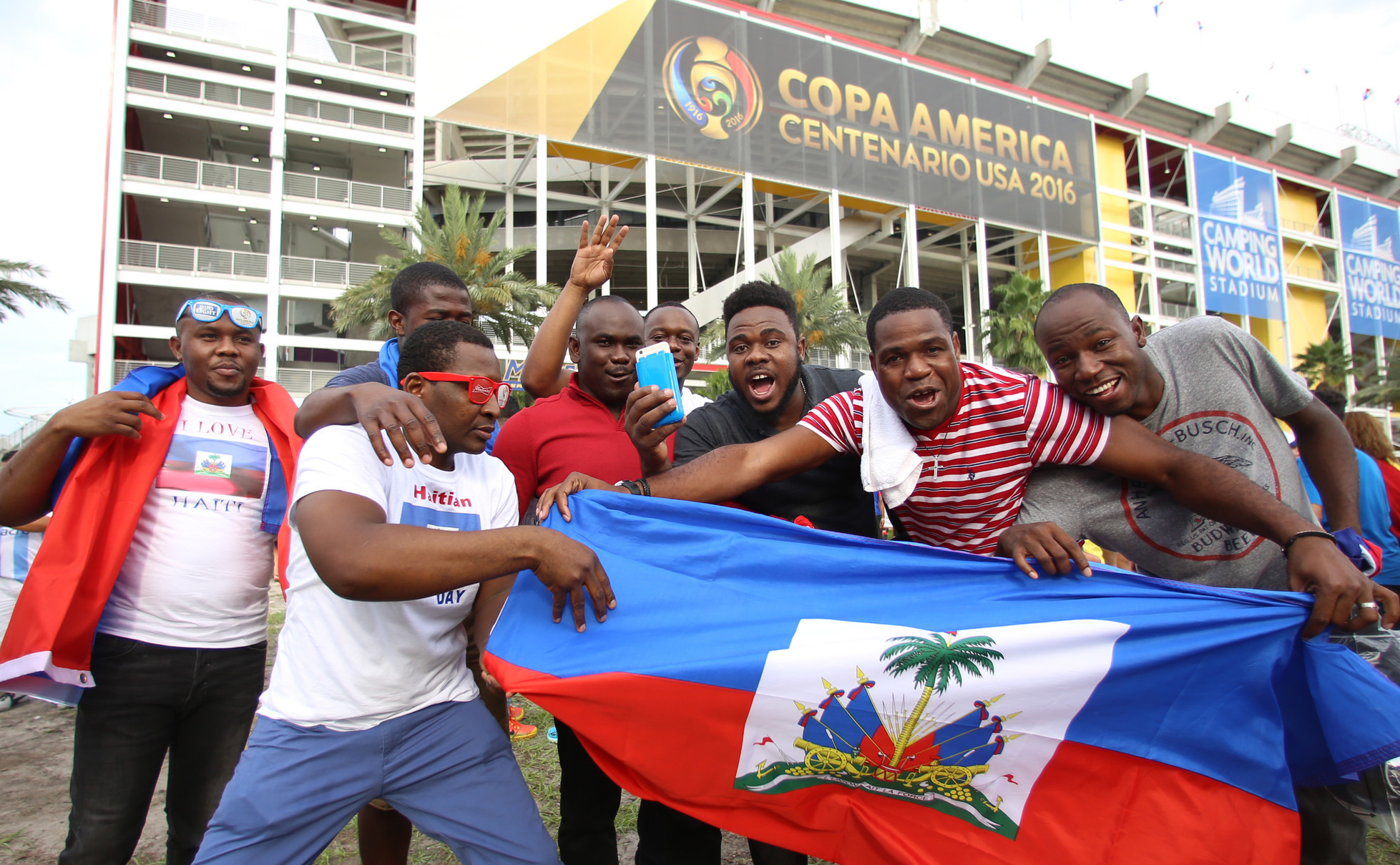
Smaller Concacaf and Caribbean nations like Panama, Haiti, and Curaçao have tightly-knit, passionate diaspora communities that will mobilize intensely for what may be a once-in-a-generation World Cup appearance, especially for the latter two countries. These communities punch above their weight in terms of engagement, cultural pride, and grassroots activation potential. For brands seeking authentic community connections, these represent some of the most emotionally resonant storylines of the tournament.
Key Data Points:
- Haiti: 915,000 Haitians in the U.S., concentrated in the Northeast (Migration Policy Institute)
- Panama: 240,000 Panamanian-Americans in the U.S., concentrated in Florida, New York, California, and Texas (Pew Research Center, 2021)
- Curaçao: Population of 185,000—smallest country by population to ever qualify for a World Cup (UN Population Division, 2025)
Marketing Activation Ideas:
- Grassroots community partnerships: Work directly with cultural centers, community organizations, and churches
- Underdog narratives: Create emotional storytelling campaigns celebrating these nations’ World Cup journeys
- Cultural festivals: Host pre-game and watch party events celebrating Caribbean and Central American heritage
- Authentic representation: Feature community members in marketing materials and activations
Bonus: Playoff Qualification Storylines
Several playoff paths could create additional compelling storylines depending on which teams qualify. Here are two potential scenarios:
If Italy Qualifies: Toronto’s ‘Little Italy’ Moment
The Opportunity:
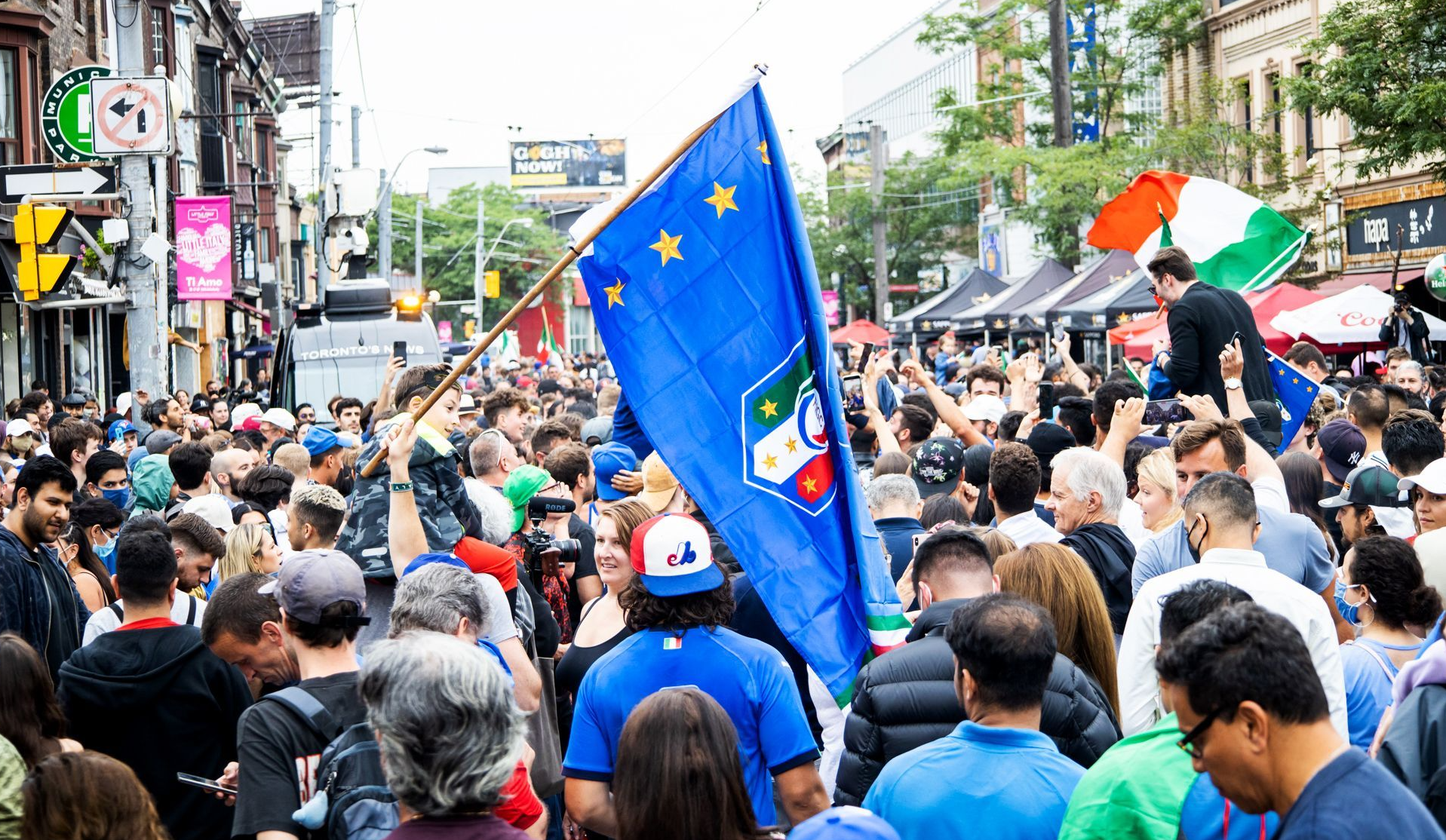
Italy (if it qualifies through UEFA Path A) would play in Toronto—home to 468,970 Italian-Canadians in the Greater Toronto Area (30.3% of all ethnic Italians in Canada). Toronto has the fourth-largest population of Italian descent in the world after Buenos Aires, São Paulo, and New York City. An Italy game in Toronto would be one of the most culturally significant games of the entire tournament for the local community.
Key Data Points:
- Greater Toronto Area: 468,970 Italian-Canadians, 7.1% of Greater Toronto population (Canada Census, 2021)
- Toronto proper: 167,460 Italian-Canadians, 6% of city population (Canada Census, 2021)
- Deeply established community with cultural institutions, Italian newspapers, radio (CHIN), and annual festivals
- Historic soccer passion: 300,000 fans celebrated on St. Clair Avenue West when Italy won the 1982 FIFA World Cup
Marketing Activation Ideas:
- ‘Azzurri in Toronto’ campaign celebrating Italian-Canadian heritage and soccer culture
- Little Italy neighborhood takeovers and watch parties along College Street and St. Clair West
- Italian restaurant and café partnerships for pre-match and watch party experiences
- Multigenerational storytelling highlighting Italian immigration history and community contributions
If Poland or Ukraine Qualifies: Eastern European Soccer Passion
The Opportunity:
UEFA Path B includes Poland and Ukraine, two nations with passionate soccer cultures and significant U.S. diaspora populations. If either qualifies, they would play in Monterrey and Dallas (twice)—creating opportunities to engage Polish-American and Ukrainian-American communities concentrated in major Eastern and Midwestern U.S. metros.
Key Data Points:
- Polish Americans: ~9.5 million in U.S., with significant populations in NYNJ (U.S. Census Bureau)
- Ukrainian Americans: ~1 million in U.S., with major communities in NYC, Philadelphia, Chicago (U.S. Census Bureau)
- Both communities have strong soccer traditions and passionate fan cultures
- Current geopolitical context makes potential Ukrainian participation particularly emotionally resonant
Marketing Activation Ideas:
- Travel packages from Polish/Ukrainian-American hub cities to Dallas for the matches
- Cultural heritage celebrations highlighting Eastern European contributions to American society
- Watch parties in Chicago, NYC, and Philadelphia with authentic Eastern European food and cultural programming
- For Ukraine specifically: Campaigns emphasizing resilience, unity, and support for the Ukrainian community
Conclusion: The Power of Place
The 2026 World Cup isn’t just about which teams are playing, it’s about where they’re playing and who lives there. The example storylines above represent more than demographic data; they represent real communities with deep cultural connections to these national teams, communities that will mobilize, travel, and celebrate in ways that create authentic marketing opportunities.
For brands and marketers, the key is to approach these activations with cultural sensitivity, authentic partnerships, and a genuine understanding of what these games mean to these communities. Done right, these aren’t just sponsorships—they’re meaningful connections that resonate long after the final whistle.